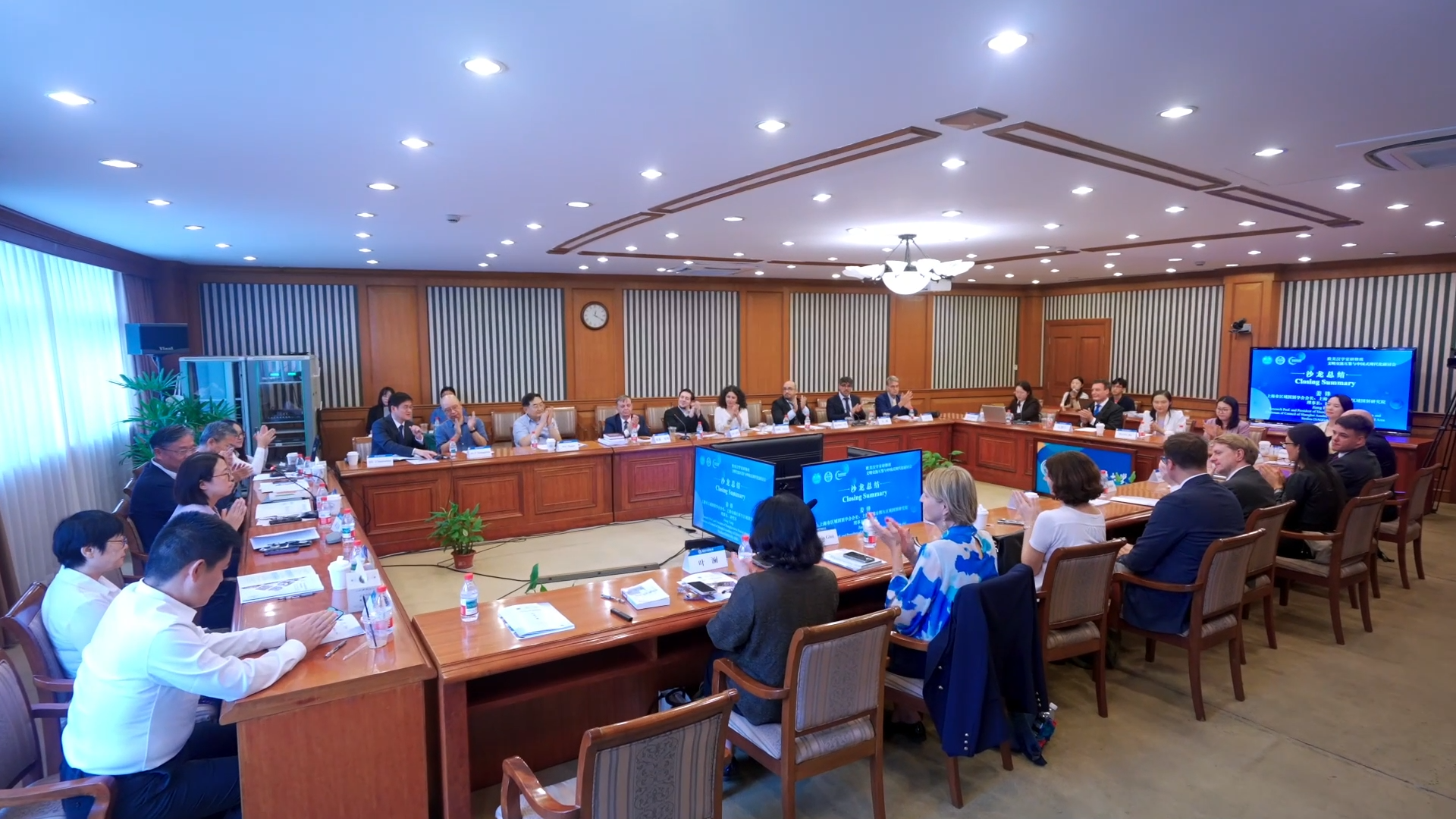
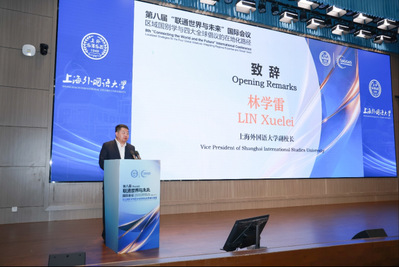
Oct. 21–22, nearly 50 scholars from 15 countries gathered for Global European Studies in Asia: Bridging Perspectives in a New Era, a forum hosted by the Shanghai Academy of Global Governance and Area Studies as a sideline event of the 23rd Conference on International Exchange of Professionals. The two-day program focused on mutual Asia-Europe perceptions and the re-imagination of Eurasia amid accelerating global uncertainty.
The dialogue produced broad consensus that meaningful Asia-Europe engagement must move beyond geopolitical rhetoric and Eurocentric frameworks to confront deep civilizational complexities. Participants agreed that understanding either region requires grappling simultaneously with historical continuities and modern transformations, while recognizing all knowledge as situated rather than universal. They stressed that Eurasia is best understood as a civilizational crossroads of diverse religious, historical and cultural identities rather than a strategic chessboard, and called for multidisciplinary scholarship and youth exchange to anchor policy in lived realities rather than abstract theory.
Discussions spanned political economy, intellectual history and area studies. Speakers examined the growing complexity of China-Europe ties across security, trade and green transition; the evolution of European industrial policy and conservative nationalism; Central Asia’s emerging role as a continental bridge; and the Ukraine conflict’s reshaping of regional order. Several panels highlighted the need for digital diplomacy, open academic exchange despite tightening security frameworks, and connectivity strategies that ease great-power competition through inclusive multilateralism.
Scholars closed by agreeing that deeper, cross-cultural Asia-Europe collaboration—rooted in equality and joint research—is essential to addressing shared global challenges and building a more just international order.